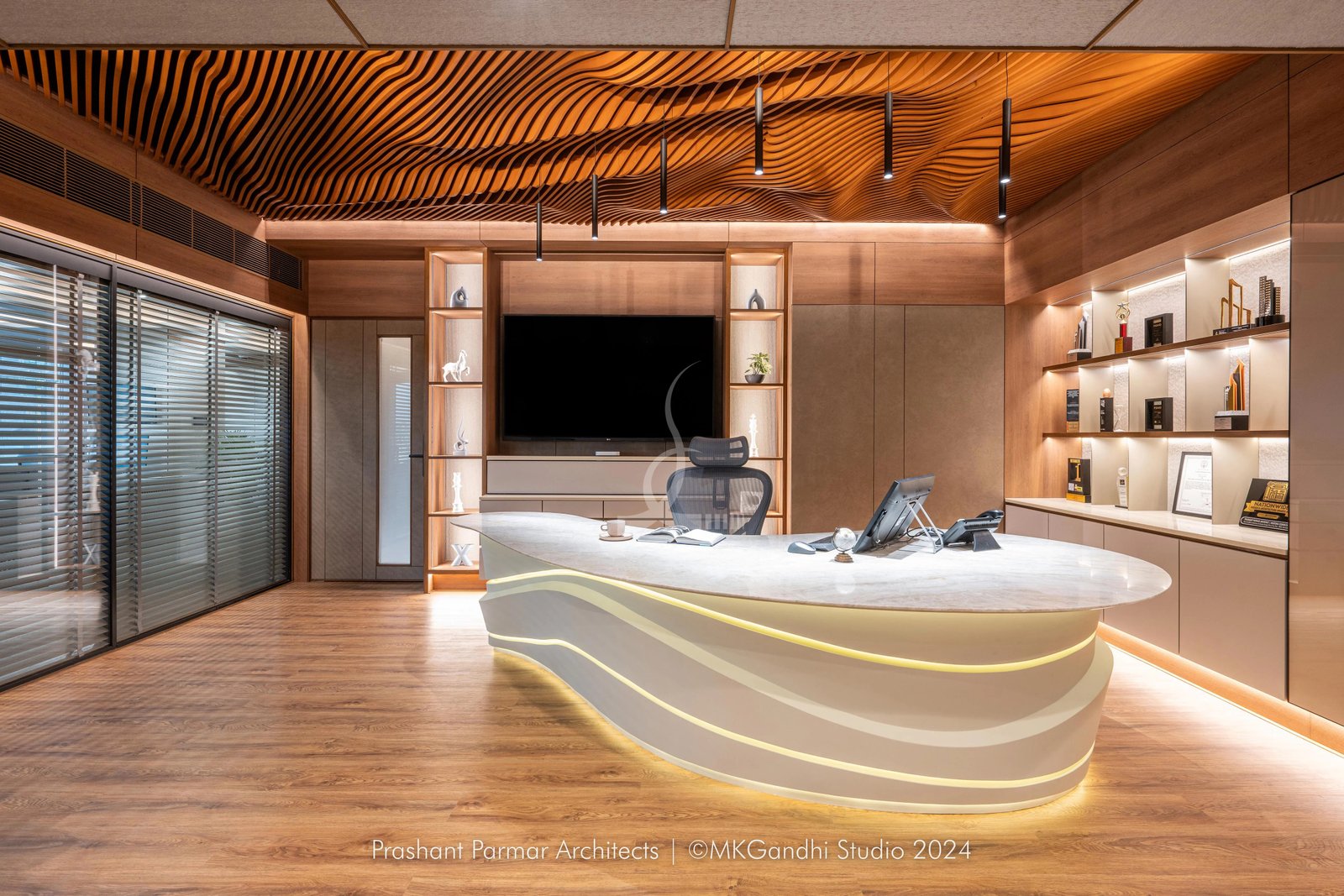
Modern buildings are expected to do more than look attractive. Architects and developers are increasingly challenged to balance aesthetics, energy efficiency, privacy, ventilation, and long-term durability. As a result, aluminium louvers have emerged as one of the most versatile facade solutions in contemporary architecture, offering a perfect blend of performance and design flexibility.
What Are Architectural Aluminium Louvers?
Architectural aluminium louvers are engineered facade elements designed to regulate sunlight, airflow, privacy, and visual appearance within a building envelope. Unlike conventional shading devices, louvers become an integral part of the architectural design while contributing to building performance and occupant comfort.

Horizontal aluminium louvers are among the most widely used configurations due to their ability to intercept direct sunlight while maintaining outward visibility and ventilation. Their clean linear appearance also complements contemporary architectural styles.
Key points:
- Excellent for solar shading
- Effective on south and west-facing facades
- Create strong shadow lines
- Common in residential and commercial projects


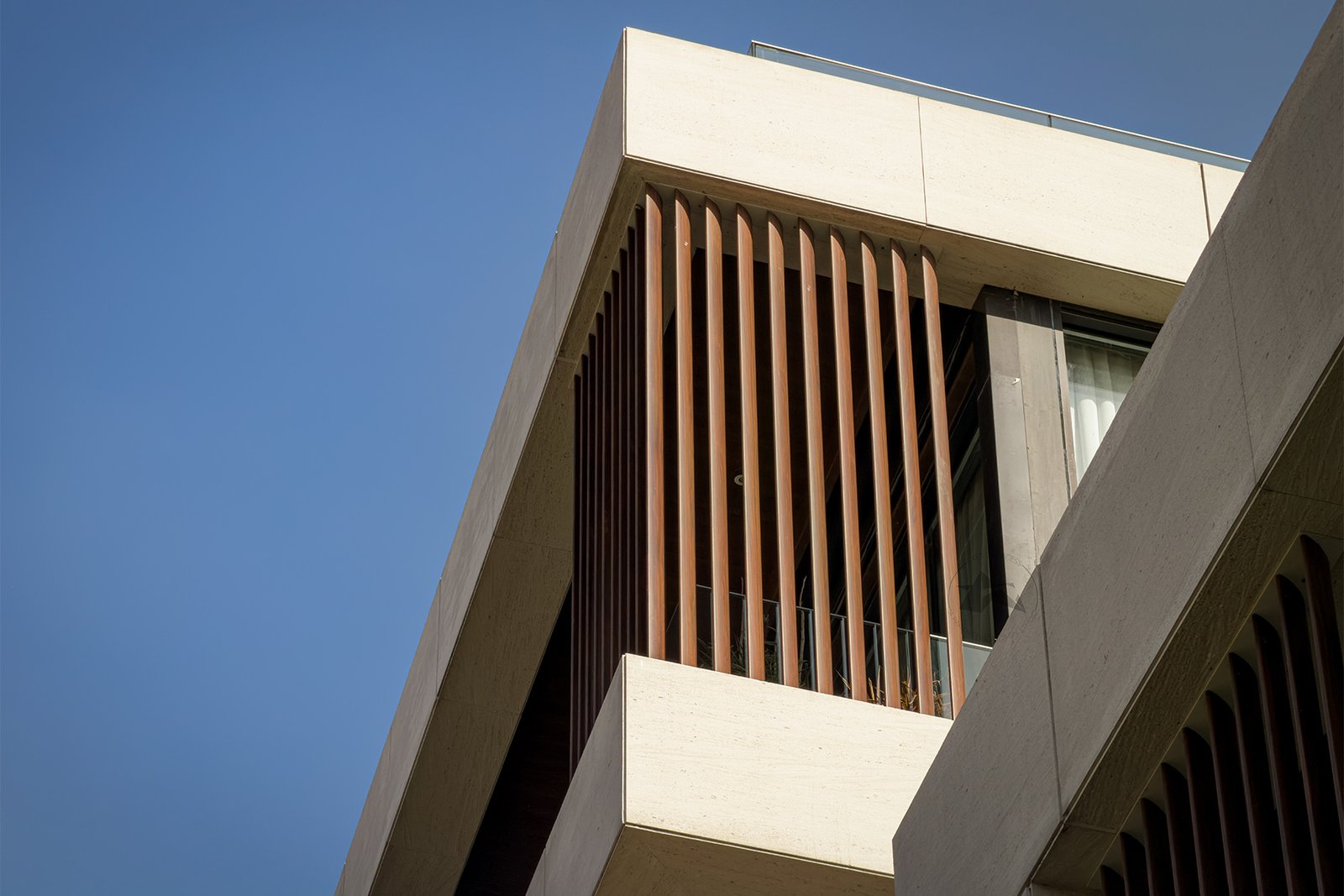
Vertical louver systems are often specified where privacy and visual screening are priorities. Their orientation allows designers to control sightlines while introducing depth, rhythm, and architectural character to the building facade.
Key points:
- Privacy enhancement
- East-west sun control
- Visual screening
- Dynamic facade aesthetics
Facade integration


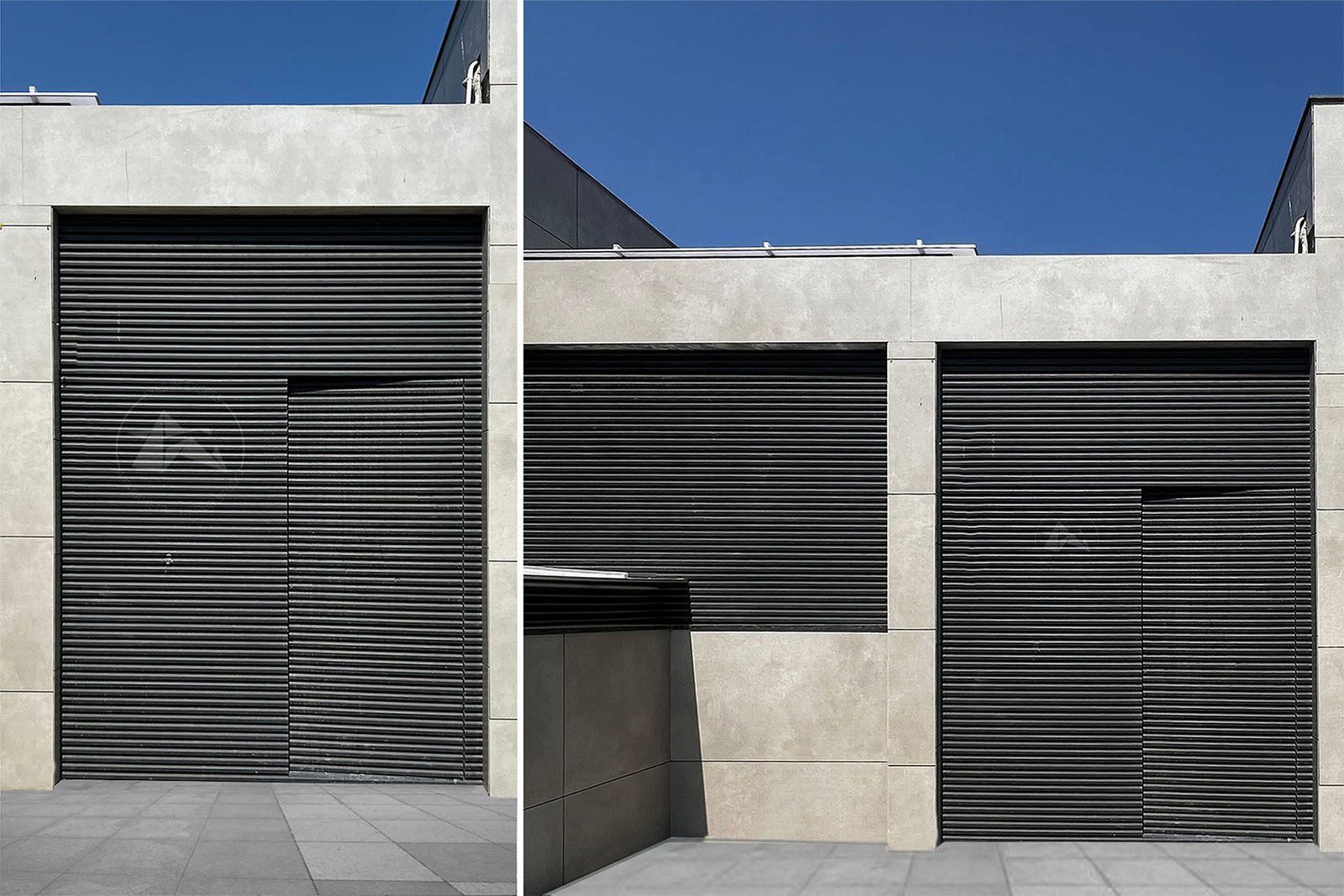


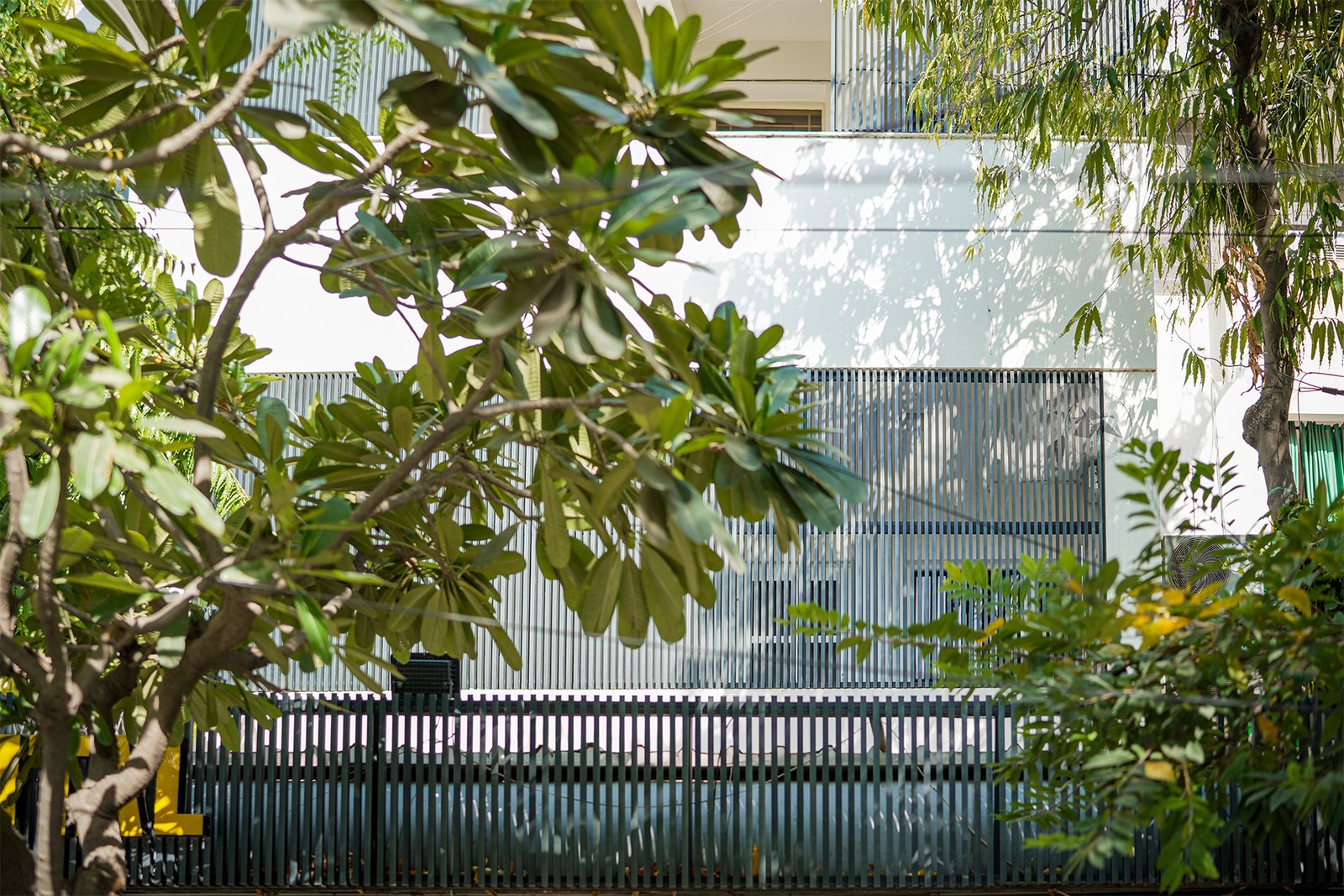
In contemporary architecture, aluminium louvers are no longer treated as secondary accessories. They are increasingly integrated into the overall facade language, helping architects create depth, shadow, texture, and visual continuity while simultaneously addressing performance requirements.
- Most common in architecture
- Durable
- Minimal maintenance
- Consistent appearance
Adjustable Louvers
- Used when dynamic solar control is required
- Less common in residential facade applications
- More suitable for specialized projects
Superior Solar Shading Performance
- Heat gain reduction
- Direct sunlight control
- Improved indoor comfort
- Reduced HVAC load
Natural Ventilation Without Compromising Privacy
- Airflow
- Visual screening
- Semi-open facades
- Residential applications
Modern Architectural Aesthetics
- Clean lines
- Depth and shadow
- Dynamic elevations
- Contemporary architecture
Learn More
Durability and Low Maintenance
- Corrosion resistance
- Powder coating
- UV stability
- Long lifespan
Sustainability Benefits of Aluminium Louvers
Discuss:
- Recyclability
- Reduced cooling loads
- Long service life
- Resource efficiency
Design Flexibility for Modern Projects
- Residential facades
- Commercial buildings
- Corporate offices
- Boundary walls
- Balcony screens
- Parking facades
Why Architects Are Increasingly Choosing Aluminium Louvers
Summarize:
- Performance
- Flexibility
- Durability
- Visual appeal
As modern architecture continues to evolve, aluminium louvers have become more than a shading element—they are a critical component of high-performance building envelopes. Their ability to combine solar control, ventilation, privacy, durability, and architectural expression makes them one of the most effective facade solutions available today.
Frequently Asked Questions About Architectural Aluminium Louvers
1. What are architectural aluminium louvers?
Architectural aluminium louvers are fixed or adjustable blade systems integrated into building facades to provide solar shading, ventilation, privacy, and aesthetic enhancement. They are widely used in residential, commercial, and institutional buildings to improve both facade performance and visual appeal.
2. What is the purpose of aluminium louvers in architecture?
The primary purpose of aluminium louvers is to control sunlight, improve airflow, enhance privacy, and add architectural character to a building. They help create comfortable indoor environments while contributing to the overall facade design.
3. What is the difference between horizontal and vertical louvers?
Horizontal louvers are commonly used for solar shading and reducing direct sunlight, especially on south-facing facades. Vertical louvers are often preferred for privacy screening, visual control, and creating a distinctive architectural appearance.
4. Are architectural louvers only used for ventilation?
No. While ventilation is an important function, modern architectural louvers are also used for solar control, privacy screening, facade enhancement, service area concealment, and creating visual depth in building elevations.
5. Where can aluminium louvers be installed?
Aluminium louvers can be integrated into building facades, balconies, windows, staircases, service shafts, parking structures, rooftop screens, boundary walls, and architectural feature elements.
6. Why is aluminium preferred for architectural louvers?
Aluminium is lightweight, corrosion-resistant, durable, and highly adaptable to custom fabrication. It can be powder-coated in a wide range of finishes and offers excellent long-term performance with minimal maintenance.
7. Are aluminium louvers suitable for residential projects?
Yes. Aluminium louvers are increasingly used in residential architecture for privacy screening, sun control, balcony enclosures, and modern facade design. They provide both functional and aesthetic benefits without adding significant structural load.
8. Can architectural aluminium louvers be customized?
Yes. Aluminium louvers can be customized in terms of blade profile, spacing, orientation, dimensions, finish, and installation method to meet specific architectural and performance requirements.
9. Do aluminium louvers improve energy efficiency?
When properly designed, aluminium louvers can reduce solar heat gain, improve daylight management, and decrease reliance on air-conditioning systems, contributing to better building performance and energy efficiency.
10. Are aluminium louvers suitable for modern facade design?
Absolutely. Their clean lines, versatility, and ability to create depth and shadow make aluminium louvers a popular choice in contemporary architectural facades for both residential and commercial projects.
Find Your Rep Get Inspired